QD-OLED is a display technology that pairs OLED's light-emitting pixels with quantum dot color conversion, and its newest generation changed the pixel's geometry.
IP68 is an Ingress Protection rating defined by IEC standard 60529, and on a phone it certifies that the device was tested under controlled laboratory conditions at a maximum depth of 6 meters for up to 30 minutes, according to Apple's published specifications for the iPhone 17 Pro.
Fast charging is a negotiation, not a fire hose: a phone and a charger exchange messages over the cable or the pad and agree on a voltage and current before power flows. Under USB Power Delivery Revision 3.1, detailed on the USB-IF's official technology page , a single USB-C cable can carry up…
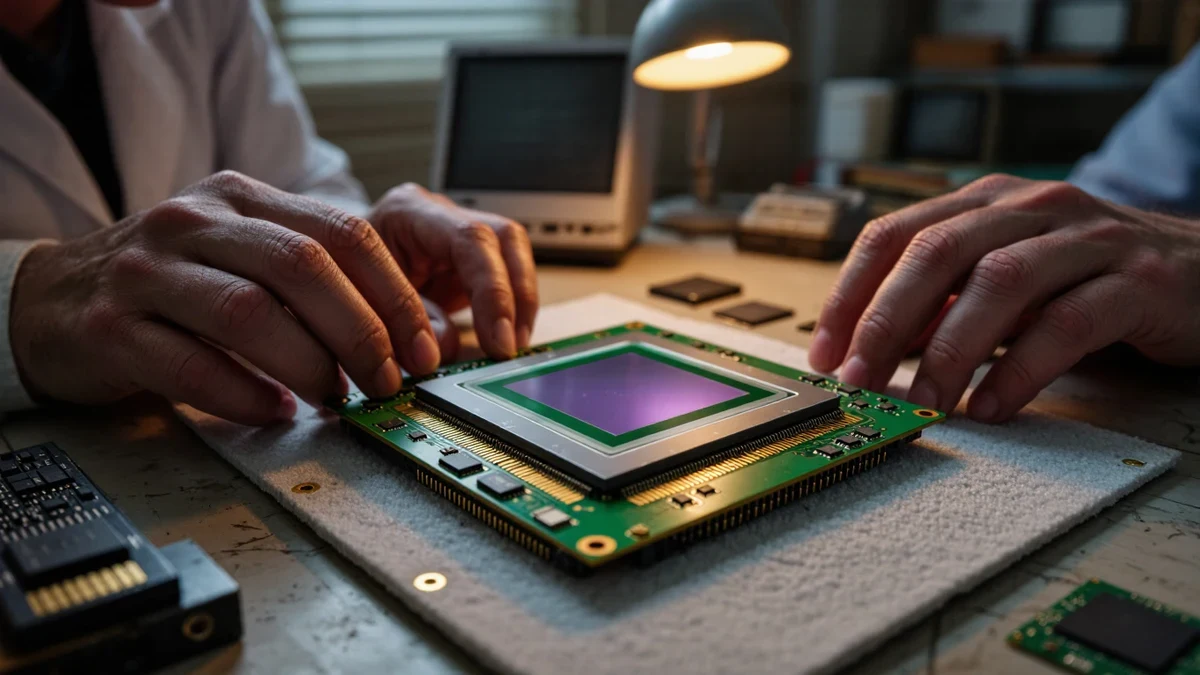
An image sensor is the chip that converts light into electrical signals, with each pixel producing current in proportion to the light it receives (reference, Wikipedia's image-sensor overview).
Matter is an open smart home standard, developed by the Connectivity Standards Alliance, that lets lights, locks, thermostats and blinds from different brands work across Alexa, Apple Home, Google Home and SmartThings.
Wearables split into categories by what they sense and how they show information: smartwatches put health sensing and apps on the wrist, hearables put computation into earbuds, and smart glasses put a display at eye level.