Blue Current, a Hayward, California battery startup, has closed a Series D extension of more than $80 million anchored by Amazon, the company announced on December 8, 2025. The round, joined by Koch, Piedmont Capital, Rusheen Capital Partners and Allen & Company, funds commercialization of its silicon solid-state battery technology.
What makes Blue Current's battery different?
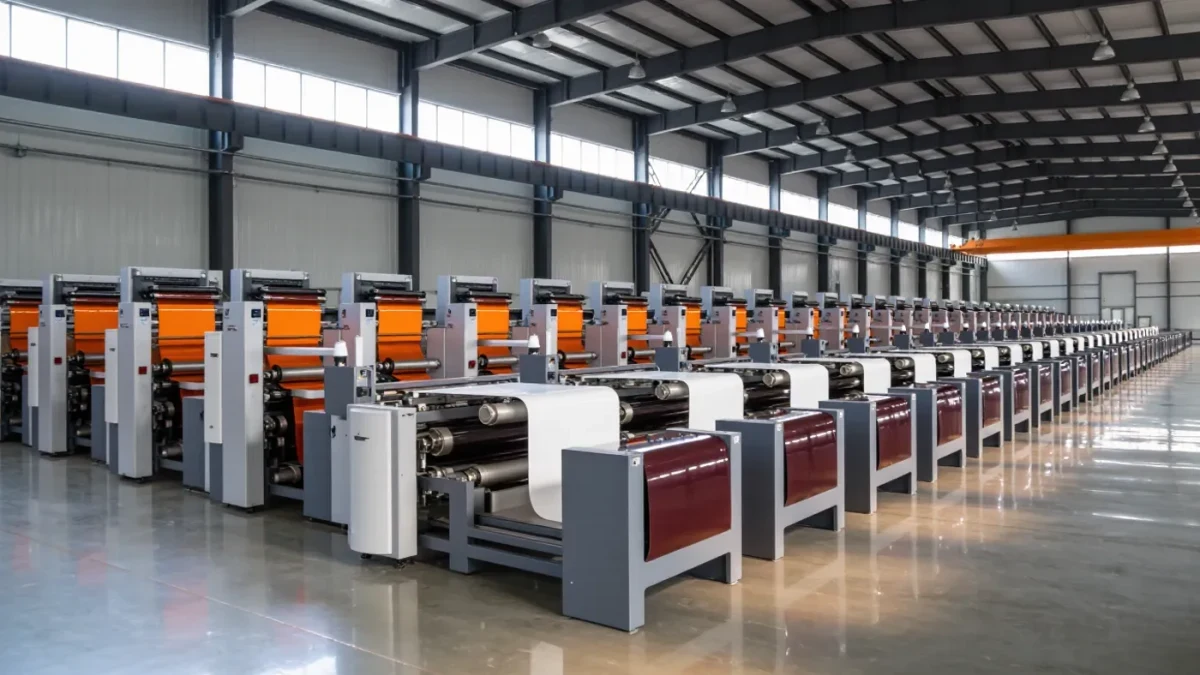
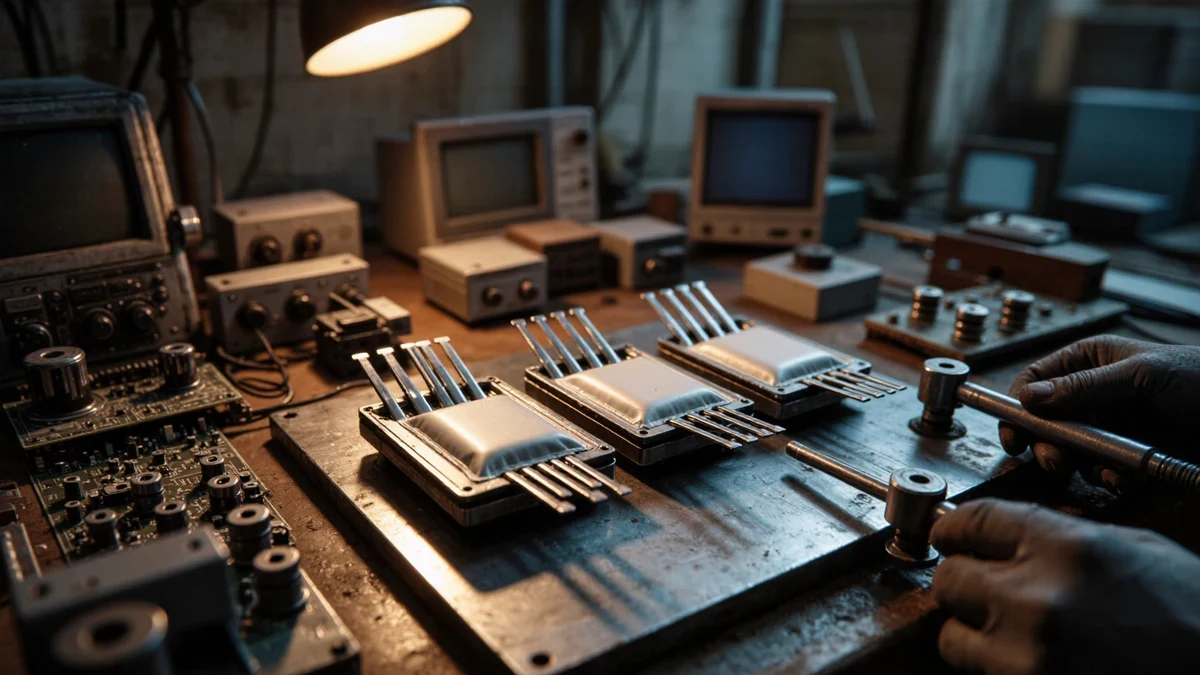
Blue Current builds solid-state cells that pair earth-abundant silicon composite anodes with elastic polymers and fully dry electrolytes, according to the announcement covered by Pulse 2.0. The design avoids the flammable liquid electrolytes used in conventional lithium-ion cells, which is the core safety argument for solid-state chemistry. The company also states that its cells can be manufactured on widely deployed lithium-ion equipment, addressing the cost problem that has slowed solid-state adoption for a decade.
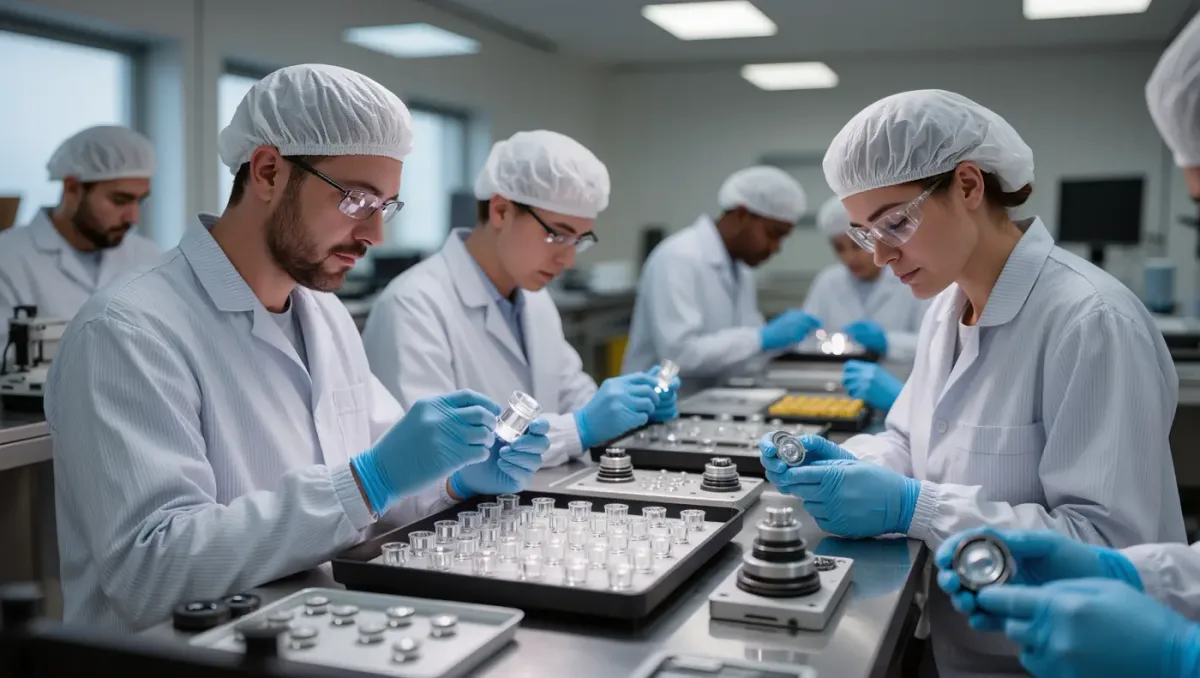
The company operates a pilot production line in Hayward and describes the new capital as the bridge from pilot production to commercialization for stationary storage and mobility applications in the United States. As part of the round, Amazon senior vice president and distinguished engineer James Hamilton joins Blue Current's board of directors, a governance signal that the lead investor intends to stay close to the technology as it scales.
Why is Amazon the anchor investor?
Amazon's participation ties the round to data center economics. Stationary storage and the power hardware behind cloud infrastructure are converging markets, and a domestic battery supplier with a safety-first chemistry is a strategic asset for a hyperscaler facing energy constraints on new sites. pv magazine USA's report frames the deal as tech-capital backing for US domestic battery manufacturing, which is also where current federal incentives point.
The financing is structured as a Series D extension rather than a new priced round. Extensions let existing syndicates add capital between full fundraising cycles, usually on terms close to the original round, and they often precede a larger round tied to a manufacturing milestone such as a first commercial production line.
What changes if the chemistry scales?
Solid-state batteries promise higher energy density, faster charging and lower fire risk than today's lithium-ion cells, but the industry's record on timelines is cautionary, with commercialization dates repeatedly pushed across the sector. Blue Current's claim to manufacturability on existing equipment is the specific worth watching: if a silicon solid-state cell can run down standard lithium-ion lines, the cost gap narrows without building new factories from scratch.
The company has not published a date for full commercial production, and the performance figures in its announcement remain company-claimed until independent testing or documented customer deployments appear. What is verifiable today is the capital, the investor list and the pilot facility, which is a plausible starting position for a chemistry that has defeated better-funded efforts before.